Breaking cycles of poverty

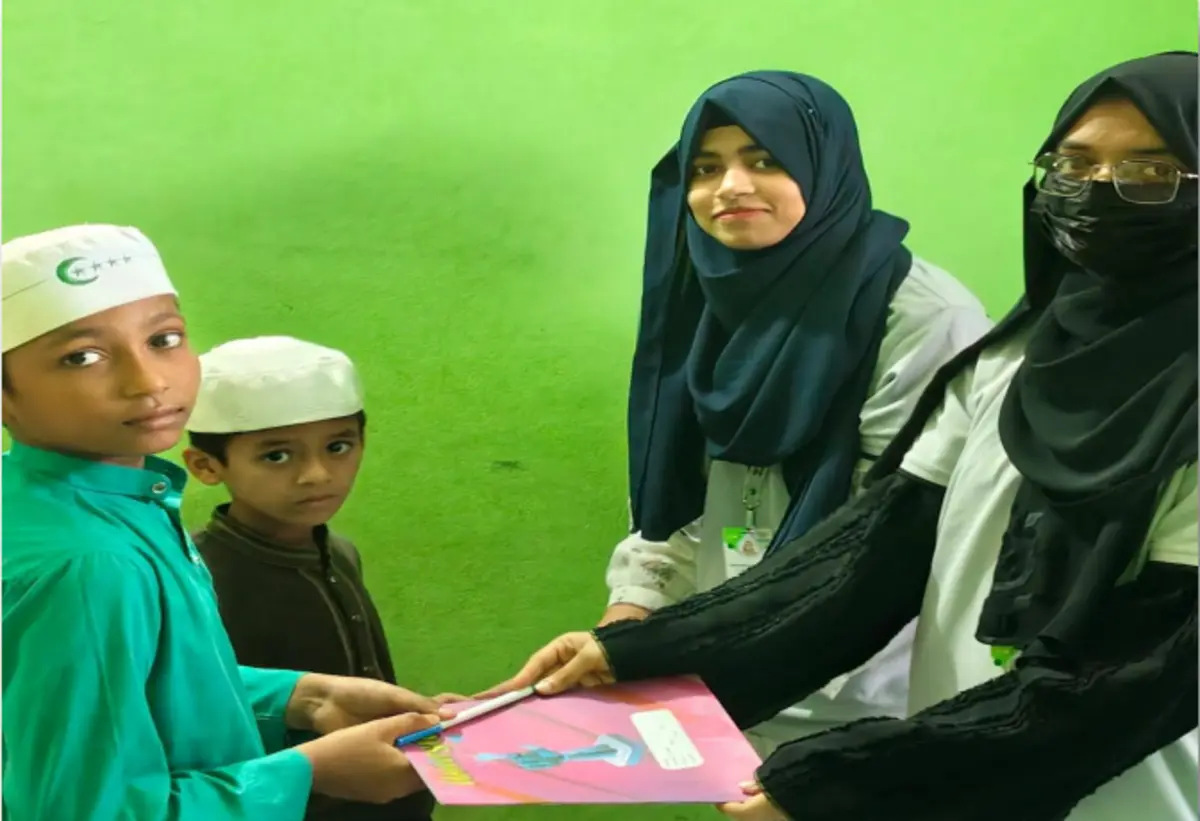
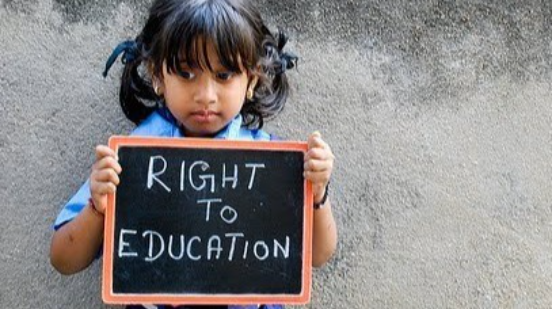
We believe in every child’s right to a quality, safe, inclusive and transformational education that empower children for life. Our work enables families, communities and schools to provide nurturing care with playful and effective pedagogy.

Our Impact

524

Children and adolescents reached through inclusive education programmes

5,00

Savings for Transformation groups supported 1.7 million members

2500

Ultra-poor households received productive assets to build sustainable incomes

Productive & Resilient Livelihoods

We are making progress.  But there’s more to be done. All children have the right to a safe, inclusive and quality education. We want all children to be educated for life, in a safe and nurturing environment, in order to lead productive and fulfilling lives.  

 Our unique, community-led, whole child model, refined and expanded over our 70-year history, helps establish sustainable child wellbeing solutions. Our education programme focuses on improving the access to and quality of learning opportunities for all children from birth, through childhood and adolescence.

We measure our success by the positive improvements in children’s learning outcomes in cognitive, social and emotional, life and livelihood skills. Our digital survey tool, MEQA, enables on the ground, real time implementation assessment and coaching; and provides detailed, accessible data for project management decisions.

We work hard to reach the most vulnerable children such as those in extreme poverty, with disabilities, out-of-school children, and affected by crises. Our approach fits and adapts continuously to diverse and rapidly changing contexts across the development, humanitarian and peace nexus.

We work with local partners to drive the social behaviour change required to address obstacles to children’s developmental and learning journey. In coalition with others we strengthen education systems at household, community, national and global levels.

60

Every 60 seconds... a family receives the tools to overcome poverty

Our Approaches

Education

Ultra Poor Graduation

Our intensive two-year programme called ‘Ultra-poor Graduation’ (UPG) equips the most vulnerable families to be self-reliant once Sarah Foundation Bangladesh has moved on to help others. We provide access to temporary food and cash assistance, savings for transformation, training, and marketing expertise to help families’ kickstart a small business or access employment. Families also learn about health, nutrition, and hygiene practices to ensure that economic gains are translated into better care for their children.

Inclusive Markets for Communities

The Catch Up Programme is an adaptable approach to support children at the highest risk to build foundational skills and return to education through community-based clubs.

Savings for Transformation

The Catch Up Programme is an adaptable approach to support children at the highest risk to build foundational skills and return to education through community-based clubs.

Microfinance

The Catch Up Programme is an adaptable approach to support children at the highest risk to build foundational skills and return to education through community-based clubs.

Transforming Household Resilience in Vulnerable Environments

The Catch Up Programme is an adaptable approach to support children at the highest risk to build foundational skills and return to education through community-based clubs.

Women's Economic Empowerment

The Catch Up Programme is an adaptable approach to support children at the highest risk to build foundational skills and return to education through community-based clubs.

Related Stories

Photo Gallery

Livelihoods Technical Library

Take a look at our latest Livelihoods resources and programmatic tools below.

Livelihoods Frequently Asked Questions (FAQs)

What does “livelihoods” mean in the context of World Vision’s work?

In simple terms, a livelihood is how someone earns a living and secures the essentials of life—like food, shelter, clothing, healthcare, and education. A sustainable livelihood means families can cope with challenges—like economic shocks or natural disasters—and recover without falling deeper into poverty. 

Why is supporting livelihoods important for sustainable development?

Websites in professional use templating systems. Commercial publishing platforms and content management systems ensure that you can show different text, different data using the same template. When it's about controlling hundreds of articles, product pages for web shops.

What are the main challenges people face in securing stable livelihoods?

If the copy becomes distracting in the design then you are doing something wrong or they are discussing copy changes. It might be a bit annoying but you could tell them that that discussion would be best suited for another time. At worst the discussion is at least working towards the final goal of your site where questions about lorem ipsum don’t.

Is next-day delivery available on all orders?

A seemingly elegant design can quickly begin to bloat with unexpected content or break under the weight of actual activity. Fake data can ensure a nice looking layout but it doesn’t reflect what a living, breathing application must endure. Real data does.

Do I need to be there to sign for delivery?

Websites in professional use templating systems. Commercial publishing platforms and content management systems ensure that you can show different text, different data using the same template. When it's about controlling hundreds of articles, product pages for web shops.